Reversing the Surge: Canada’s 2026-2028 Sustainability Shift
Quick Summary
Quick Summary: An analysis of the 2026-2028 Immigration Levels Plan and the return to sustainable permanent resident targets.
The Time of Stabilization
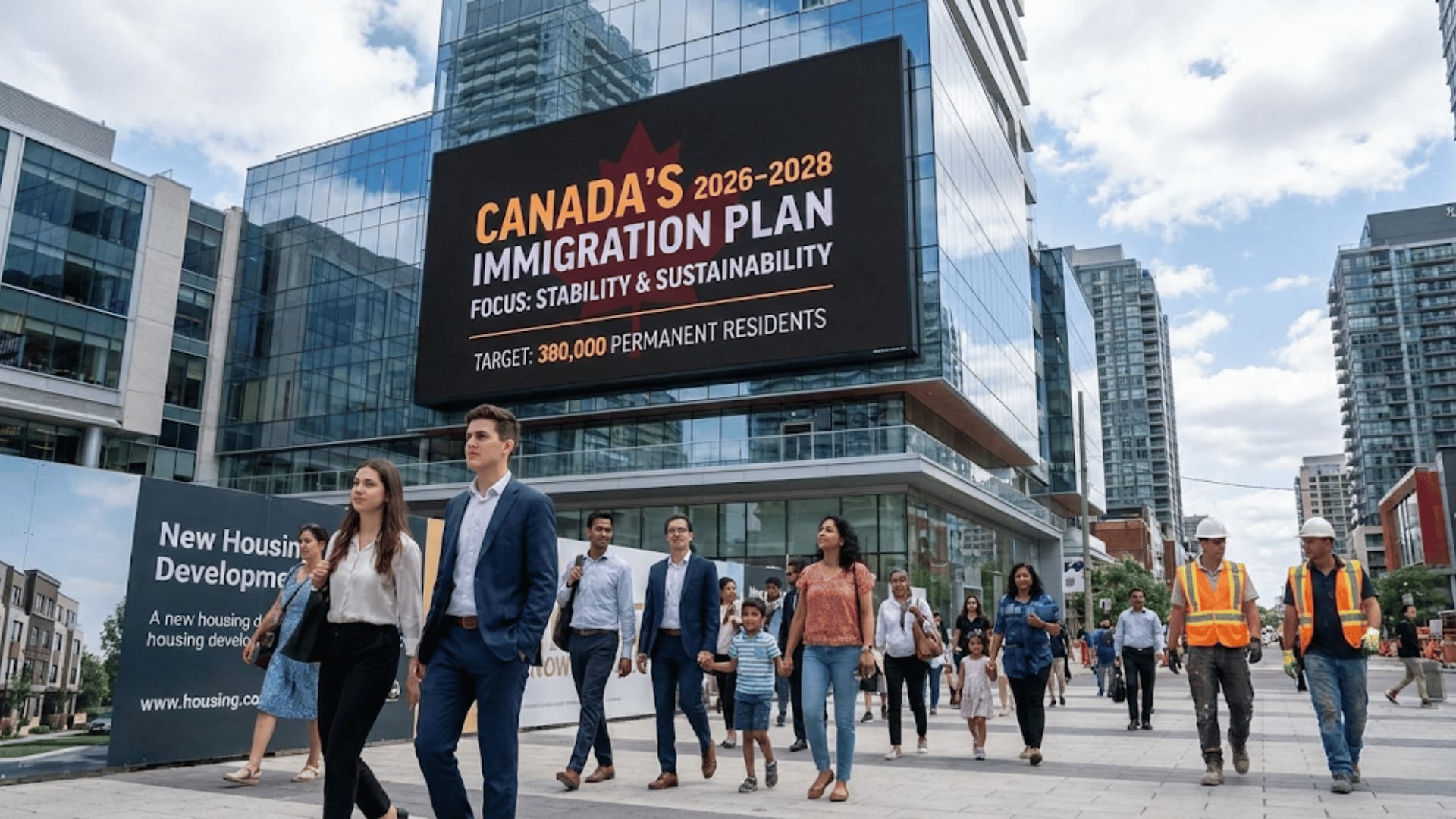
The Canada Immigration Levels Plan for 2026–2028 marks the end of the era of expansion after the pandemic. The government has cut its permanent resident targets for the first time in ten years. It now wants to let in 380,000 people in 2026, which is a big drop from the 500,000-plus targets that were once promised. This isn't a move against immigration; it's a practical response to the strain on housing and healthcare systems. Canada is moving away from the "volume-first" model and toward a "sustainability-first" model that puts the successful integration of people already on shore first.
The 33,000 "Transition" Requirement
One important part of the 2026 plan is the goal of giving up to 33,000 temporary workers permanent residency. The focus has changed from hiring people from other countries to keeping them on staff. The government is basically saying that you are the most important person if you are already in Canada, working, and paying taxes. This is a much-needed lifeline for international students and temporary workers who were stuck in the backlog. However, it also makes it much harder for someone from outside Canada to get into the Canadian market without a prior connection.
Targets for Francophones: The requirement that 9% of admissions be French speakers from outside Quebec is still a tough goal, but it makes it easier for bilingual candidates to get in.
Economic Dominance: Even though the numbers are lower overall, the "Economic" class still makes up more than 60% of the plan, making sure that skilled labor stays at the heart of the system.
Family Reunification Limits: The number of parents and grandparents who can be reunited has been capped at 15,000. This shows that the focus has almost completely shifted to working-age people who can start paying taxes right away.
The trade-off between quality and quantity
The 2026 plan admits that something went wrong in the last decade: a lot of immigration doesn't always mean a lot of productivity if the infrastructure can't keep up. Canada is trying to get back the social license for immigration by slowing down, which has been damaged by the housing crisis. For the prospective migrant, the message is clear: the "easy" path to Canada is gone. Every spot in the 2026-2028 plan is a highly contested resource that will be awarded based on specific, high-demand skills and an existing footprint in the country.
Need personalized help?
Understanding visa requirements can be complex. Check out our AI-powered tools.
Explore Tools