The Dual Citizenship Era: Germany’s 2026 Naturalization Revolution
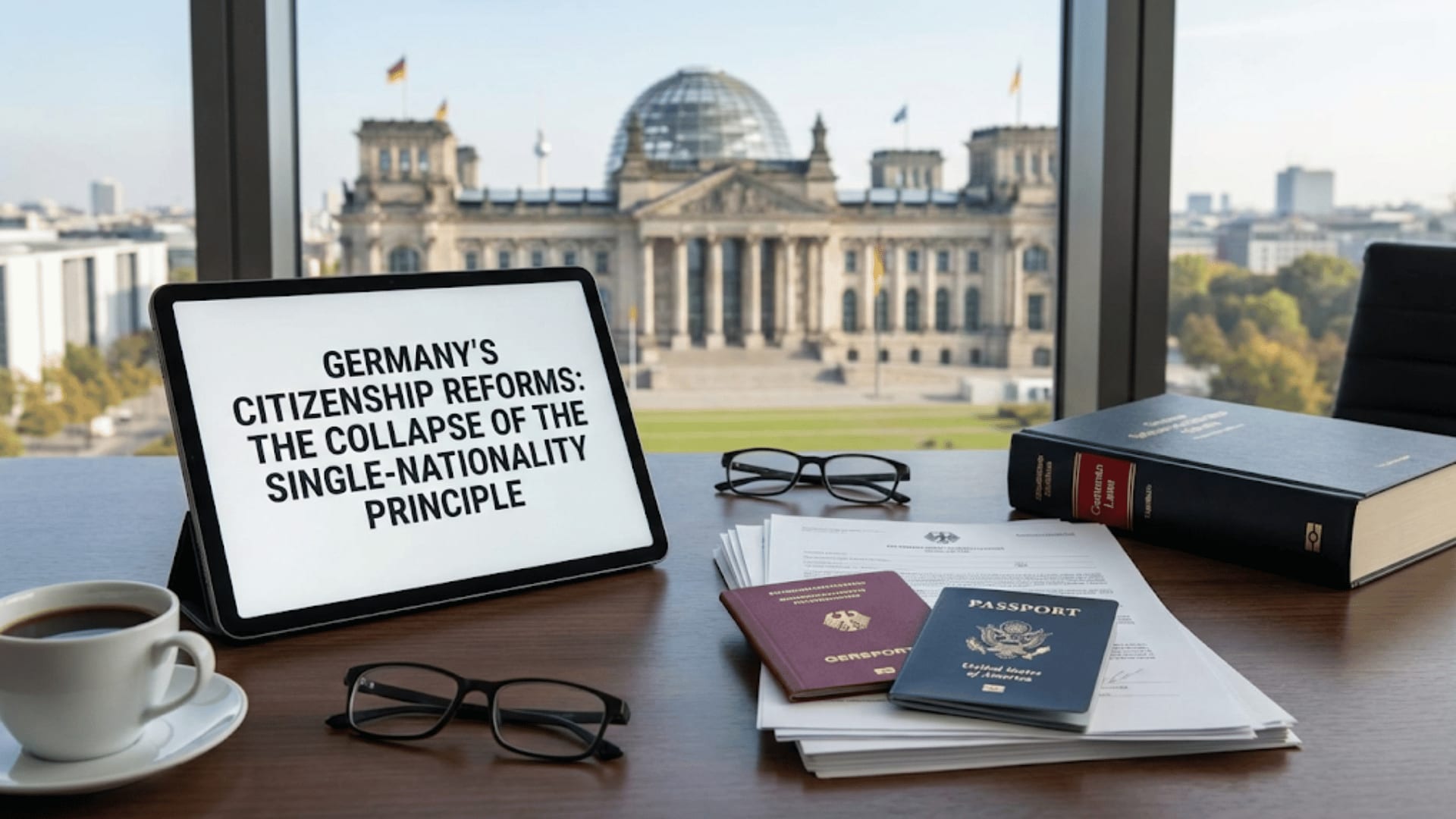
Quick Summary
Quick Summary: A detailed breakdown of Germany’s modernized citizenship law, the reduction of the residency requirement to 3 years, and the C1 language hurdle.
The Collapse of the Single-Nationality Principle
Germany’s 2026 citizenship reforms represent the most significant dismantling of the Wilhelmine legacy in modern history. By officially allowing dual citizenship for non-EU nationals, Germany has aligned itself with the global reality of the mobile workforce. The "option obligation" (Optionspflicht) is dead; children born in Germany to foreign parents no longer have to choose between their heritage and their home. For the global professional, this changes the German passport from a "replacement" identity to an "additive" asset, dramatically increasing the country’s retention power for American, Indian, and Turkish talent.
---The 3-Year Turbo Path
The headline reform is the reduction of the standard residency requirement from eight years to five, and for the exceptionally integrated, to just three years. However, the SEO nuance here lies in the definition of "exceptional." To qualify for the 3-year turbo path, an applicant must demonstrate C1 German proficiency (advanced academic/professional level) and "special integration achievements," such as volunteer work or high-level professional success. This is a meritocratic filter: if you can speak the language of Goethe and pay significant taxes, the state will expedite your inclusion.
- Economic Independence: The new law strictly forbids naturalization for anyone claiming social benefits (Bürgergeld), with very few exceptions for the "guest worker" generation. This is a "fiscal citizenship" model.
- The Antisemitism Clause: A new, strictly enforced clause requires applicants to explicitly affirm Germany’s historical responsibility towards Jewish life. Any criminal record related to hate speech or racism is an automatic, permanent bar to citizenship.
- Hardship Cases: The discretion for "hardship" naturalization has been narrowed, forcing applicants to rely on objective metrics (income, language) rather than bureaucratic goodwill.
The Administrative Jam
While the law is liberal, the infrastructure is archaic. The Einbürgerungsbehörde (Citizenship Authority) in major cities is facing a backlog of over 200,000 applications. In 2026, the strategy for applicants is to file in smaller municipalities or to use legal counsel to force "inaction lawsuits" (Untätigkeitsklage) after the statutory wait times expire. The right to citizenship exists on paper, but accessing it requires navigating a paper-based bureaucracy that is struggling to digitize.
Need personalized help?
Understanding visa requirements can be complex. Check out our AI-powered tools.
Explore Tools