The End of Borderless Entry: UK’s Mandatory ETA Enforcement
Quick Summary
Quick Summary: A structural analysis of the UK’s transition to a fully digital border and the mandatory Electronic Travel Authorisation starting February 25, 2026.
The Digitalization of the British Border
Beginning on February 25, 2026, the UK will strictly enforce its Electronic Travel Authorization (ETA) program for all nationalities that do not need a visa, including those from the US, Canada, Australia, and the EU. This is the last step in the Home Office's plan to make a "contactless border." You can't just show your passport at a UK port of entry anymore. Now, you have to pay £16 for a digital screening before you leave that is good for two years. This is a step toward a "security-first" model in which the government checks every visitor before they get on a plane.
The Carrier Liability Trap
One important but quiet change in the 2026 enforcement is that airlines and ferry operators will be responsible. Under the new rules, carriers can be fined a lot of money for letting any passenger on board without a valid ETA or eVisa. This means that the "negotiation" at the border has moved to the check-in desk. Many travelers think the ETA is just a formality, but it's actually a security clearance. If you have overstayed in another country before or have a minor criminal record that didn't require an interview before, you may now be automatically rejected digitally, leaving you stuck at your point of origin.
Dual Citizens: British and Irish citizens don't have to worry about this, but dual nationals must make sure they travel on their UK or Irish passport or they could be turned away at the airport.
Transit Requirements: An ETA is now required for everyone who is passing through a UK airport, even if they are not going through immigration.
Three-Day Window: Most decisions are made right away, but the Home Office says that at least three working days should pass for cases that need to be looked at by hand.
The Future Without Contact
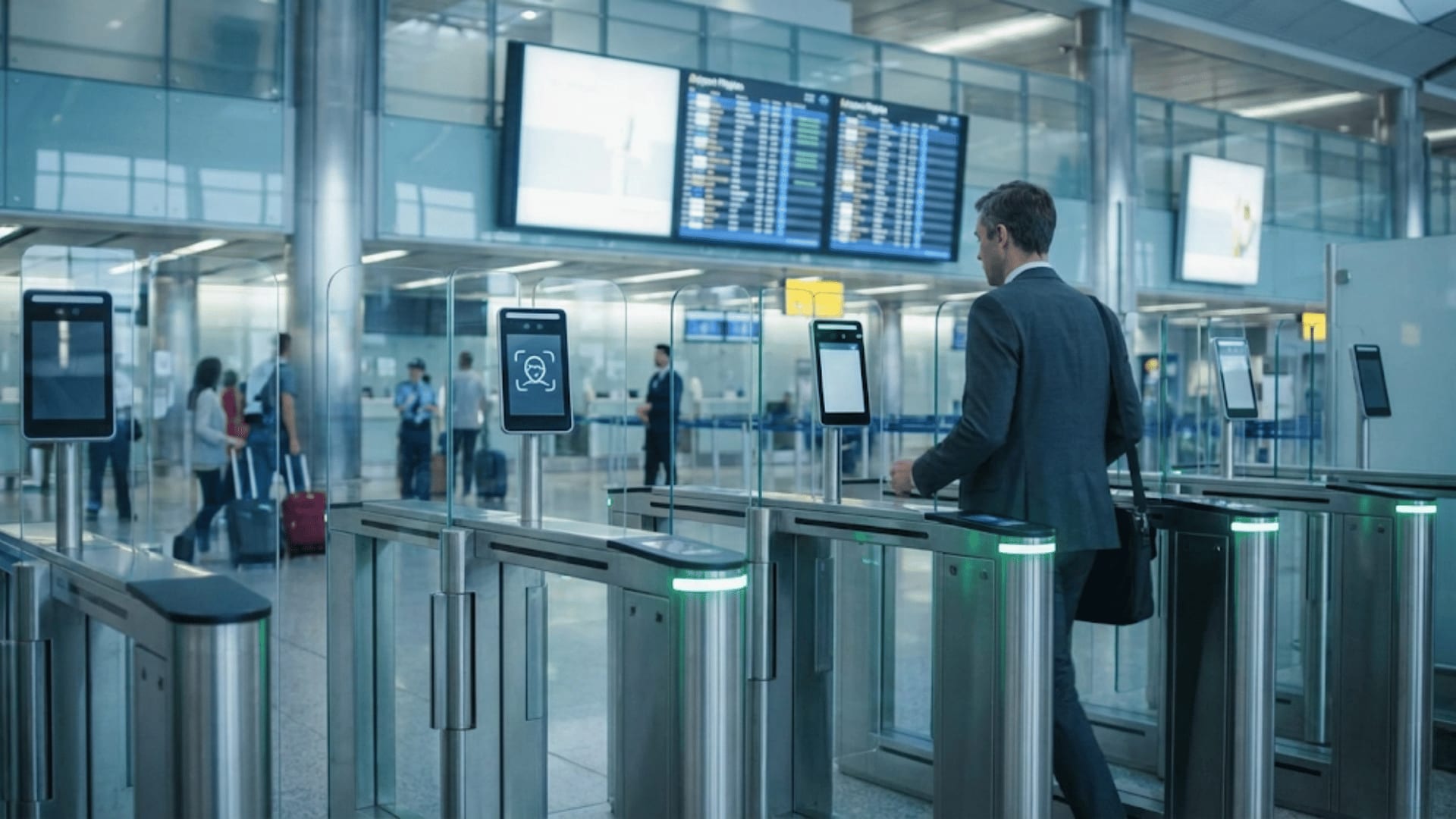
The 2026 law is what made the UK's "contactless" e-Gates possible. These gates will eventually use facial recognition to get rid of the need to scan passports. The trade-off is a massive increase in data collection. The UK government now holds a fuller picture of every individual’s global travel patterns, allowing for more precise monitoring of stay durations and frequency. For the frequent business traveler, the UK has become more efficient, but the level of state surveillance involved in a simple weekend trip to London has reached an unprecedented peak.
Need personalized help?
Understanding visa requirements can be complex. Check out our AI-powered tools.
Explore Tools