Rural Renaissance: The US EB-5 Set-Aside Strategy in 2026
Quick Summary
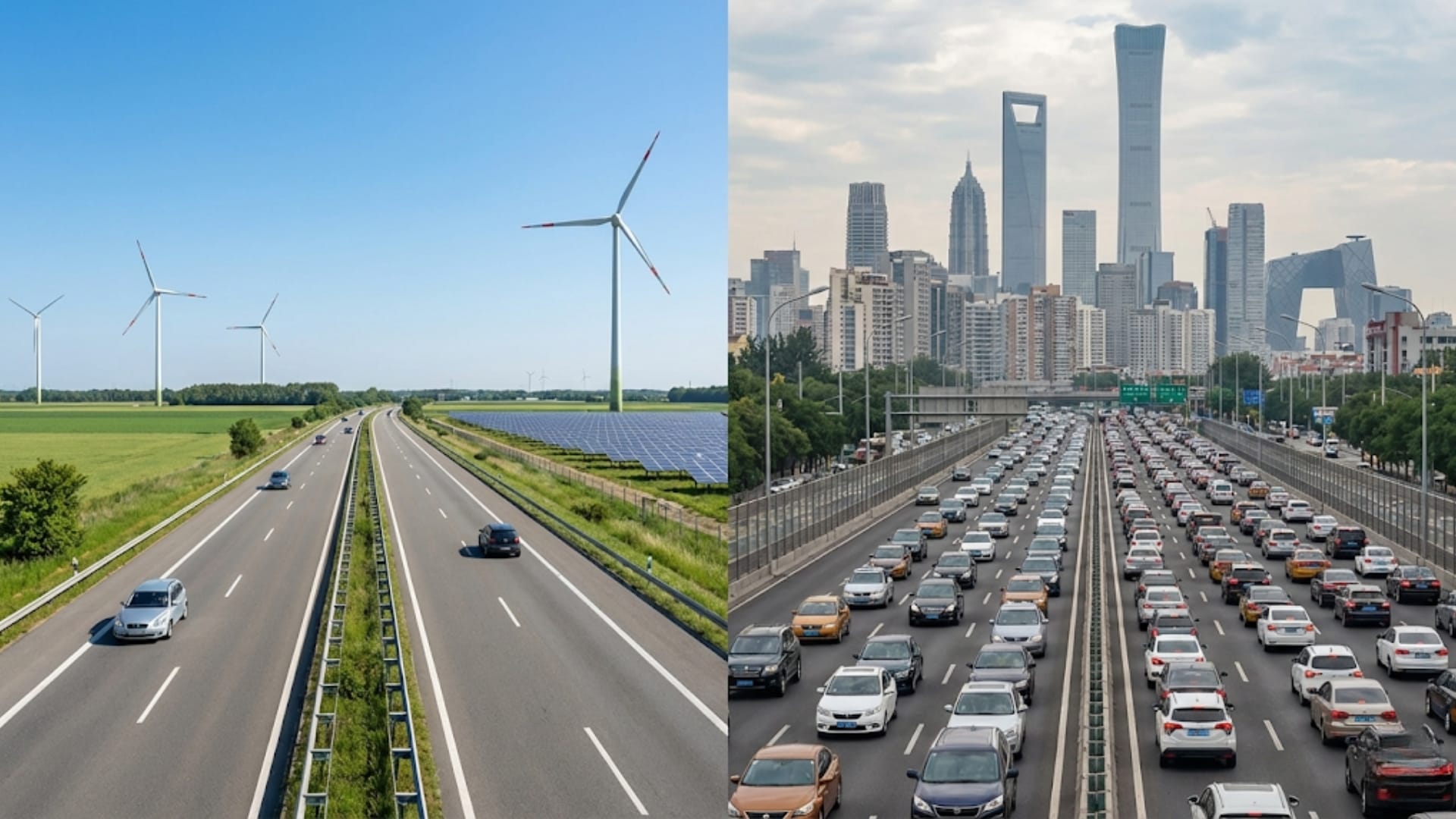
Quick Summary: A structural breakdown of the EB-5 "Rural" vs "High Unemployment" tea, highlighting the massive processing speed advantage for rural projects.
The Priority Processing Arbitrage
In the world of investment migration, speed is the ultimate asset. The 2026 reality of the US EB-5 Investor Visa is defined by the absolute dominance of the "Rural Set-Aside" category introduced in the Reform Act of 2022. While investors in urban "High Unemployment" TEAs (Targeted Employment Areas) face backlogs stretching 5-7 years (especially from China and India), rural investors are seeing I-526E approvals in as little as 8 to 12 months. This is not a glitch; it is a congressionally mandated priority lane designed to funnel foreign capital into America’s heartland.
---The 20% Reserve and Visa Availability
The Rural category commands 20% of the total EB-5 visa pool. Because historical demand for rural projects was low, this category is "current" for all nationalities in the 2026 Visa Bulletin. This allows Chinese and Indian nationals—who are otherwise stuck in decade-long retrogression—to skip the line entirely. SEO data shows a 400% spike in searches for "EB-5 rural projects," driving developers to rebrand ski resorts, solar farms, and manufacturing plants in Wyoming and Montana as prime immigration vehicles.
- Concurrent Filing: Investors already in the US (e.g., on H-1B or F-1) can file their adjustment of status (I-485) concurrently with the rural EB-5 petition. This grants them an unrestricted EAD (work permit) and Advance Parole (travel doc) in roughly 6 months, solving their immediate visa stress while waiting for the Green Card.
- Risk vs. Speed: The trade-off is financial risk. Rural markets often lack the deep demand drivers of New York or Los Angeles real estate. Investors in 2026 are effectively paying a "risk premium" to buy time.
- The $800,000 Floor: The investment minimum remains $800,000 for these TEAs. Any attempt to lower this via "partial capital returns" is heavily scrutinized by USCIS.
The Wall Street Pivot
We are seeing major institutional players enter the rural EB-5 space in 2026 to capitalize on this demand. They are structuring deals with "completion guarantees" and "I-526 denial repayment" clauses to assuage investor fears. The EB-5 program has mutated from a way to build luxury hotels in Manhattan to a primary funding source for American infrastructure and energy projects in the flyover states. For the investor, the mantra for 2026 is: "Go Rural or Go Home (and wait 10 years)."
Need personalized help?
Understanding visa requirements can be complex. Check out our AI-powered tools.
Explore Tools