The REAL ID Deadline: Finality for US Domestic Air Travel
Quick Summary
Quick Summary: An analysis of the final REAL ID enforcement deadline and its impact on non-citizen travelers and domestic flight security.
The End of the Extension Era
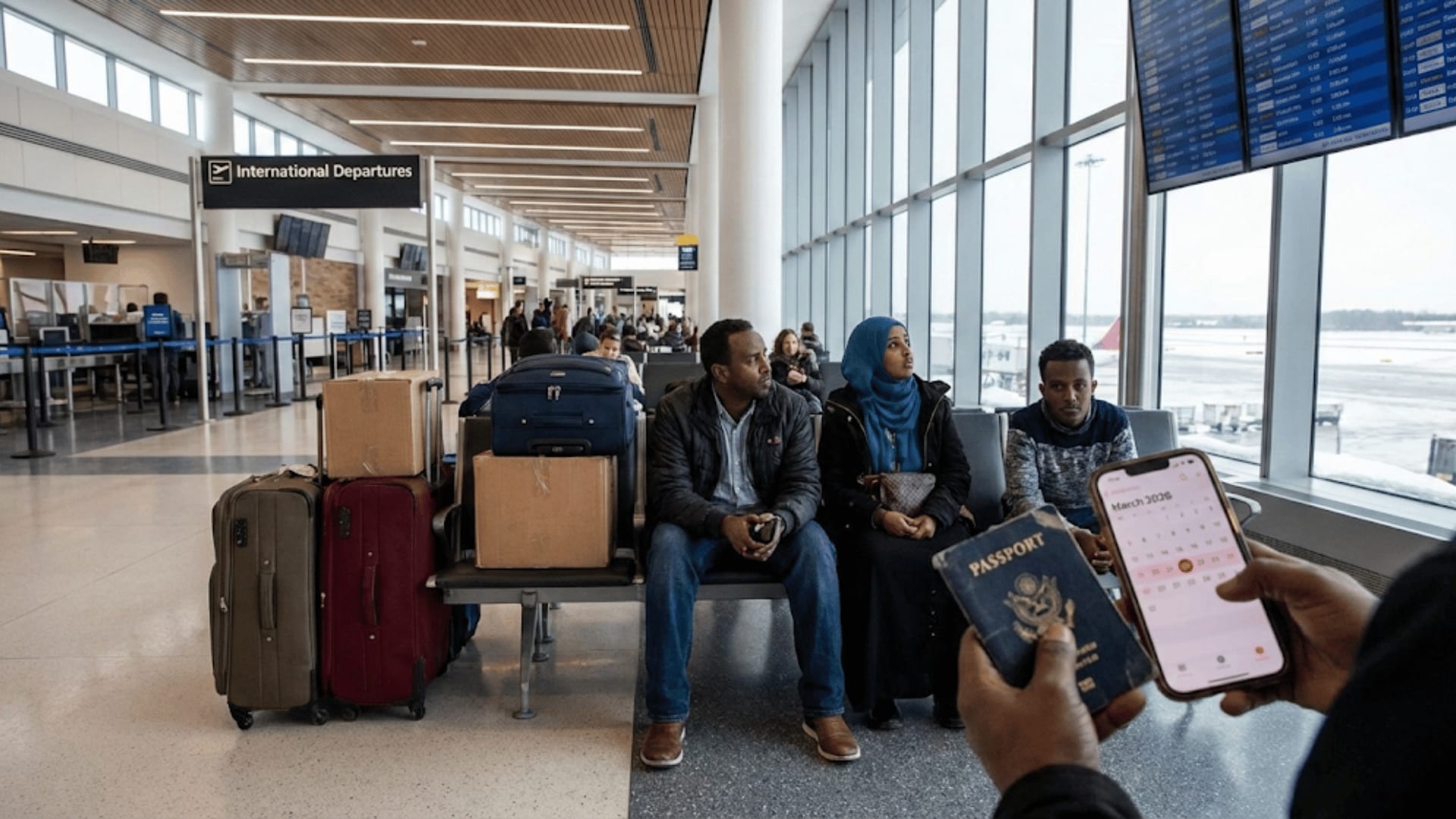
After nearly two decades of delays and extensions, the REAL ID Act has reached its final enforcement point in 2026. For every traveler within the United States, the requirement is now binary: you either have a REAL ID-compliant license, or you cannot board a domestic flight. For non-citizens—including those on H-1B, F-1, and even those in a period of authorized stay—this is more than a card update; it is a status verification event. To get a REAL ID, the Department of Motor Vehicles must verify the individual’s legal status through the federal SAVE system, turning every DMV visit into a secondary immigration check.
---The SAVE System Bottleneck
What many non-citizen residents are finding in 2026 is that the SAVE (Systematic Alien Verification for Entitlements) system often lags behind their actual status. A student who has just transitioned to a work visa might find that the DMV cannot issue their REAL ID because the federal database hasn’t updated. This creates a "travel limbo" where the individual is legally in the US but cannot board a domestic flight to their next job site or family visit. The 2026 strategy for non-citizens must be to apply for license renewals months in advance of any travel to account for these systemic delays.
- Passport as a Backup: Foreign visitors can still use their valid foreign passport for domestic travel, but for long-term residents, the lack of a REAL ID driver’s license is becoming an administrative burden in daily life.
- Limited-Term Licenses: For those on temporary visas, the REAL ID is marked as "Limited Term," reflecting the expiry of their I-94, meaning they must undergo the full verification process with every visa renewal.
- Privacy Trade-offs: The Act requires the inter-linking of state DMV databases, creating a national identity infrastructure that has long been resisted by civil liberties groups.
The Security-State Integration
The 2026 enforcement of REAL ID marks the final integration of local identity documents into the national security apparatus. By 2026, the distinction between "driving privileges" and "right to travel" has been blurred. For the immigrant community, the REAL ID is a constant reminder that their presence in the US is always subject to federal database validation. It is the end of the era where a state-level license was a localized document; in 2026, the REAL ID is the primary key for navigating both the physical and the legal borders of the United States.
Need personalized help?
Understanding visa requirements can be complex. Check out our AI-powered tools.
Explore Tools