The Digital Footprint: US Social Media Vetting in 2026
Quick Summary
Quick Summary: An analysis of the Department of State’s expanded online presence review and its impact on H-1B and H-4 visa applicants.
The Public Persona as a Requirement for a Visa
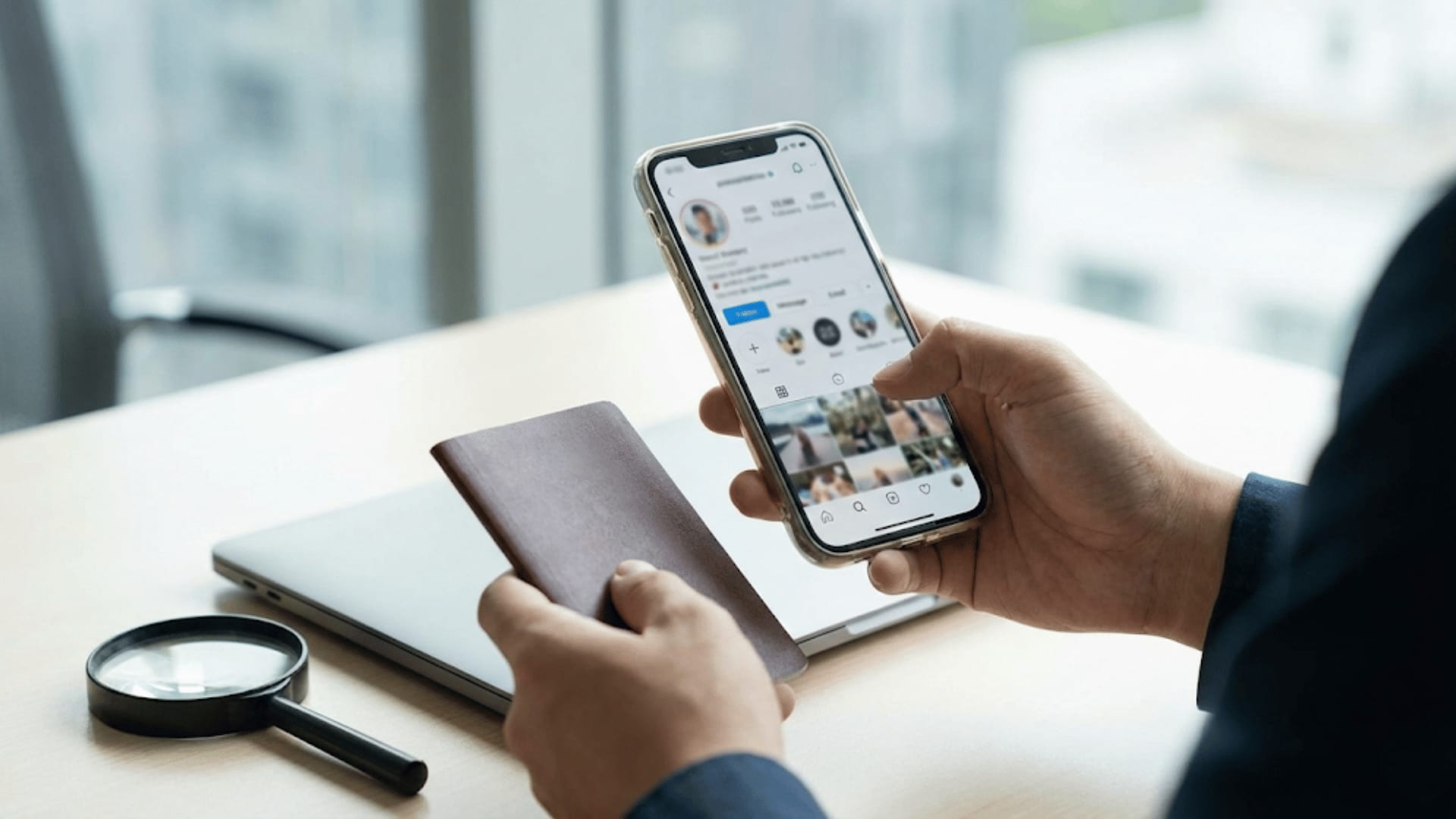
In early 2026, the US Department of State officially added H-1B workers and their H-4 dependents to its "online presence review." This was something that was only done for higher-risk groups before. This change means that the United States is changing how it thinks about "intent" and "public safety." Applicants must now list all of the social media accounts they have used in the last five years. This makes their digital history a part of their immigration record that can be used against them. This isn't just a search for extremist content; it's a thorough check of how consistent you are in your work and personal life.
The Consistency Audit: More Than Just Deleting Content
Many people who apply make the mistake of thinking that deleting posts that cause trouble or deactivating accounts will give them a fresh start. In 2026, judges are getting better at seeing account deletions as a warning sign, which often leads to Section 221(g) administrative processing for more investigation. The main goal is to make sure that the information in the I-129 petition matches up perfectly with the job duties, education, and work history that are listed on a LinkedIn profile or Twitter bio. Now, any difference, no matter how small, is seen as a possible misrepresentation of material.
Identifier Disclosure: If you don't list even an inactive handle, your visa could be denied because you didn't give all the information that was needed.
Public Visibility Mandate: The government doesn't need passwords, but they are asking for profiles to be made public more and more during the verification period.
H-4 Dependencies: The main worker's spouse and children are now being watched just as closely. This means that the main worker's visa status could be in danger because of what a family member does online.
The Border of Algorithms
The quiet change here is the use of automated scraping tools that compare social media data with past travel records and tax returns. In 2026, the "border" begins on the applicant’s smartphone months before they reach a consulate. This technological layer removes the human discretion that once allowed for minor errors, creating a binary environment where data must match across all platforms. For the global professional, the digital footprint is no longer a personal space; it is a permanent, government-audited document that carries as much weight as a university transcript or a birth certificate.
Need personalized help?
Understanding visa requirements can be complex. Check out our AI-powered tools.
Explore Tools